Your Passwords Are the Keys to Your Life. Let’s Talk About That.
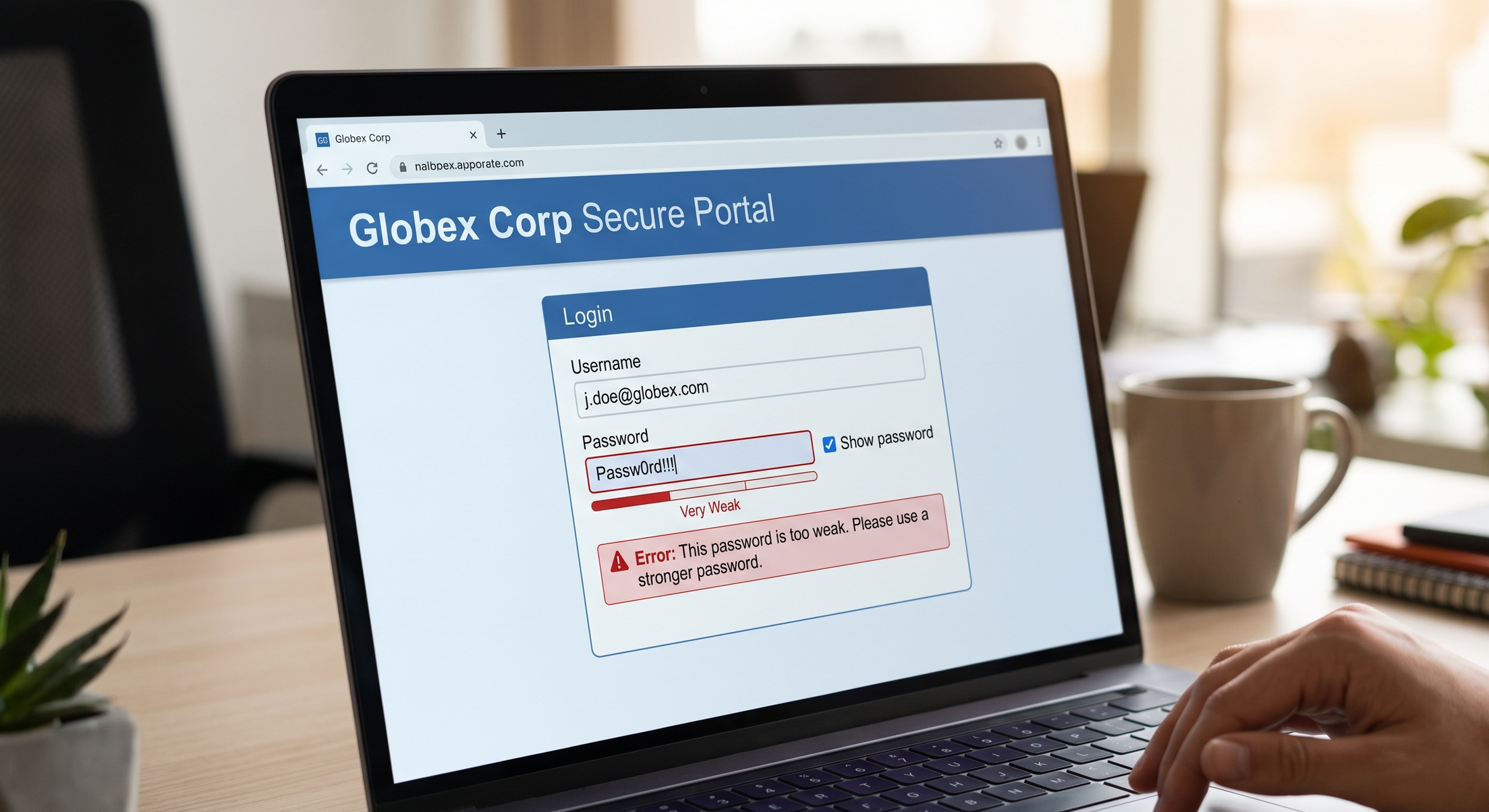
Let me ask you something. If I handed you a single key that opened your house, your car, your mailbox, and your safe deposit box, would you make copies and hide them under every doormat in the neighborhood?
Of course not. But that’s exactly what most of us do with passwords.
I’ve been in technology for over 30 years — I taught myself to code back when your only teachers were library books and error messages — and if I had a nickel for every time someone told me, “I just use the same password for everything so I don’t forget it,” I could retire to a beach somewhere. I get it. Passwords are annoying. But stick with me for a few minutes, because this is one of those things where a small change makes a huge difference.
Why Passwords Fail (Hint: It’s Usually Not Hackers in Hoodies)
Here’s the thing the movies get wrong. Most password theft isn’t some genius typing furiously in a dark room. It’s much more boring than that.
What actually happens: some website you signed up for years ago — a forum, a shopping site, that app you used once — gets breached. Your email and password leak out. Then criminals take that exact combination and try it on your email, your bank, your Amazon account. It’s called credential stuffing, which is a fancy way of saying “trying the same key in every door.”
If you reuse passwords, one leaked password isn’t one problem. It’s every account you own, all at once.
The other failure? Passwords that are easy to guess. Your dog’s name plus your birth year is not a secret. It’s on your Facebook page.
Passphrases: Longer Is Stronger (and Easier to Remember)
Good news. The advice has actually gotten simpler over the years. You don’t need P@$$w0rd5 that look like a cat walked across the keyboard. You need length.
I golf, so let me put it in golf terms: all those symbols and capital letters are the $600 driver of passwords. Looks impressive in the bag, doesn’t fix your slice. Length is the swing. Fix the swing.
A passphrase is just a few random words strung together. Something like:
purple-tractor-coffee-lampshade
That’s easy for you to remember, easy to type, and brutally hard for a computer to crack. A short complicated password might take a cracking program hours. A long, random passphrase? Centuries. The math is firmly on your side.
The one rule: the words need to be random. “ILoveMyGrandkids” is sweet, but it’s also guessable. Grab four words that have nothing to do with each other and nothing to do with you.
Password Managers: The Junk Drawer, But Organized
Now, here’s where people usually push back: “I can’t remember a different password for fifty accounts!”
You’re right. You can’t. Nobody can. So stop trying.
A password manager is a program that remembers all your passwords for you, locked behind one strong master passphrase. Think of it as a little safe that lives in your pocket. You remember one good combination — the safe remembers everything else. It’ll even invent long, random passwords for each site and fill them in automatically, which honestly makes logging in faster than typing.
Here’s the part that surprises people: you may already own one. My house is an Apple house, and iCloud Keychain — built into every iPhone and Mac — does this for free. Android folks have Google Password Manager doing the same job. It’s already in your pocket, just waiting to be switched on.
“But what if the password manager gets hacked?” Fair question — I hear it hundreds of times. The reputable ones are built so that even the company itself can’t read your passwords. Is anything perfect? No. But keeping a different strong password on every account with a manager is miles safer than reusing one password everywhere, or keeping them on a sticky note under your keyboard. (I’ve seen that sticky note. Many times. You know who you are.)
The Never-Reuse Rule
If you take one thing from this post, take this: never use the same password on two accounts that matter.
Start with the big three:
Your email — because whoever controls your email can reset everything else
Your bank and financial accounts
Your main shopping accounts with saved payment cards
Give each of those its own long passphrase or a manager-generated password. Do it this week. Twenty minutes, tops, and you’ll have closed the door most criminals actually walk through. You can check the strength of your password right here as well as generate a variety of passwords to your style in my password checker tool.
You Don’t Have to Do This Alone
If setting up a password manager sounds like one more thing you’ll put off forever, I’d be glad to walk through it with you — patiently, in plain English, at your pace. That’s kind of my whole thing.
Submit your question and tag the related topic. We’ll get your digital life sorted out together.